
Consular card: production, personalisation and tracking
The consular card is the only credential a mission physically hands to its nationals. Producing it puts the post's credibility on the line: a card that is easy to forge is a card nobody presents. YORI-ID covers the whole chain, from the online application to the personalised card.
ISO/IEC 7810 standard formats
Both formats used by diplomatic missions follow the same standard as bank cards and identity documents, which guarantees that any standard reader, holder or wallet accepts them.
| Format | Dimensions | Common use |
|---|---|---|
| ID-1 | 85.60 × 53.98 mm | Consular card issued to the national, wallet format |
| ID-2 | 105 × 74 mm | Residence permits and mission cards needing more printed area |
Card types
A post does not issue a single credential. Each type has its own artwork, validity period and approval path, but shares the same production chain.
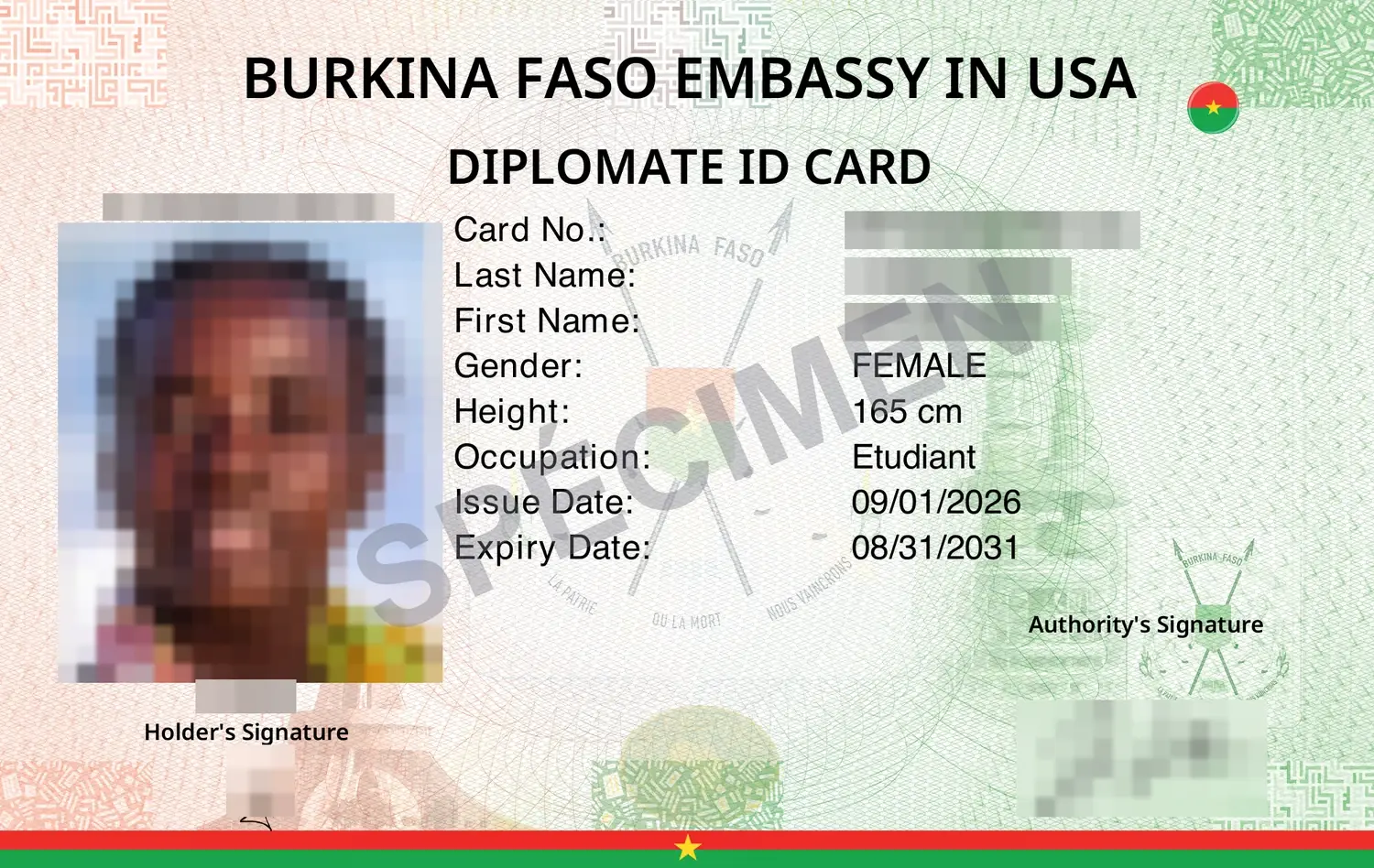
- Consular card — nationals registered with the mission
- Diplomatic card — accredited staff and their family members
- Staff card — officers posted within the representation
- Student card — nationals enrolled at an institution in the host country
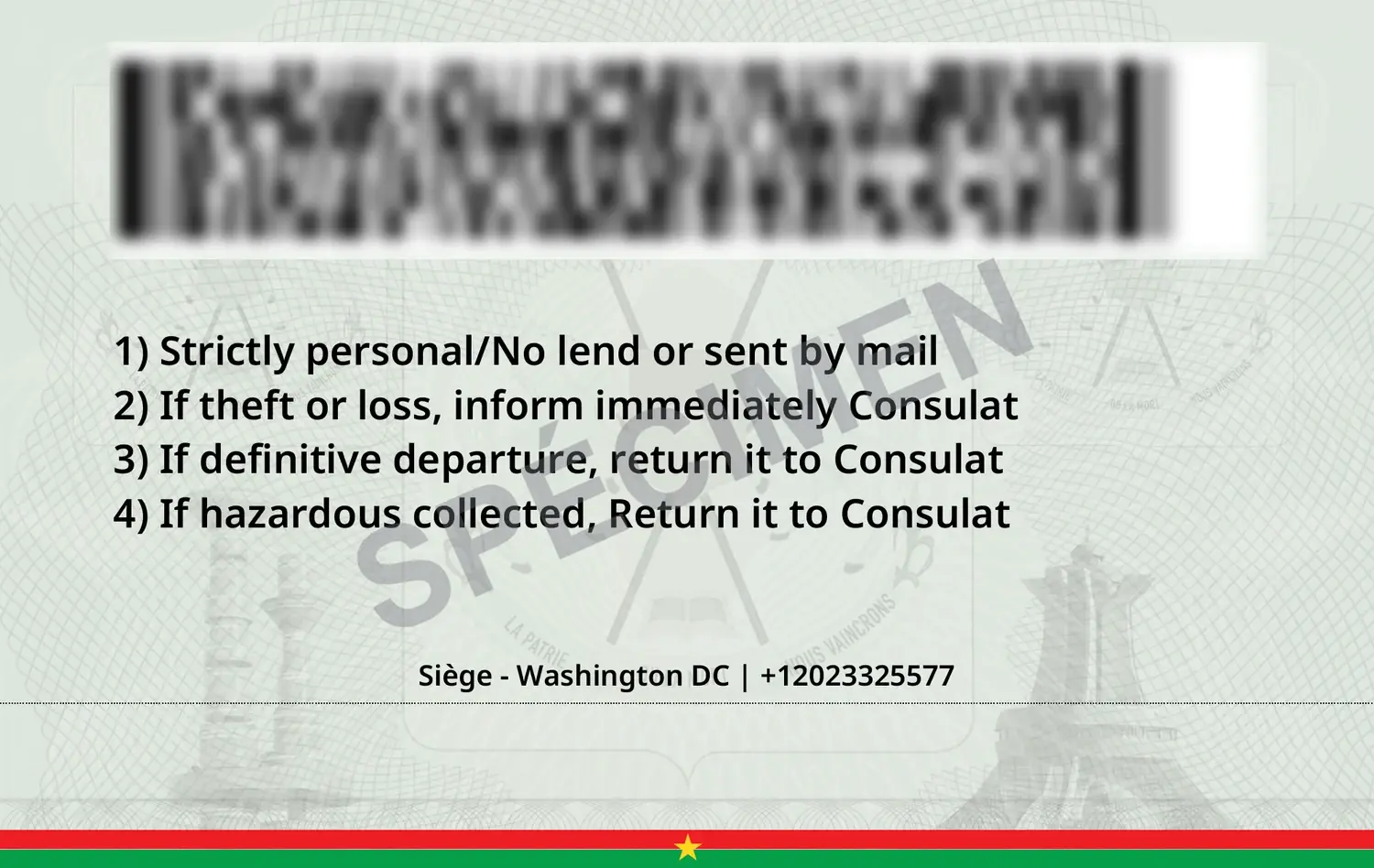
Security features and guilloche backgrounds
A credential's security does not rest on any single feature but on their layering: reproducing one is possible, reproducing all of them costs more than the card is worth.
Guilloche backgrounds are generated by YORI-ID for each artwork. The pattern belongs to that mission and exists in no public library, which rules out forgery by copying an off-the-shelf background.
- Generative guilloche background, unique per artwork and per mission
- Micro-text readable under a loupe, illegible once photocopied
- UV-reactive ink on a dedicated area
- Unique card number, never reissued after cancellation
- QR verification area pointing back to the mission's register
Production chain
The application starts with the national, online or at the counter, with a photograph and supporting documents. An officer checks compliance, then approves or returns the application with a stated reason.
Approved applications are grouped into production batches. A batch goes to print with its personalised artwork; its status is tracked through to handover, each step timestamped and attributed to a named officer.
Renewal, cancellation and statistics
A card has an expiry date known at production time: the mission knows at any moment how many credentials expire within three months, and can contact their holders before the gap opens.
A lost or stolen card is cancelled from its record. The number is invalidated and QR verification reports the credential as no longer valid, without waiting for the replacement to be produced.
Frequently asked questions
Do the cards carry a chip?
Not necessarily. A chip adds a unit cost and a reader infrastructure that only pay off if automated checking is genuinely planned. With no readers deployed, a printed credential with layered security features and online verification serves the same purpose.
Who physically produces the cards?
Both models are supported: centralised production at a single site with shipping to the missions, or distributed production at each equipped post. The choice depends on volumes and shipping constraints.
How is a presented card verified?
The card's QR code points to a verification page reporting whether the number is active, suspended or cancelled. Verification discloses no personal data beyond validity.
What happens when civil status changes?
The previous credential is cancelled and a new number is issued. The history stays attached to the national's record, which makes the succession of issued credentials traceable.